
HOME selling GUIDE
Your Guide to Selling a Home in North Central Indiana
Selling your home is a big financial and personal step. There’s a lot to do between deciding you’re ready to sell and handing over the keys.
selling guide
Selling Your Home?
- Local Support
- First-Time Buyer Support
- Waterfront Expertise
No matter if you’re selling your first home in Fishers, moving from West Lafayette, getting a property ready in Brookston or Delphi, or listing a waterfront home near Monticello, Lake Freeman, Lake Shafer, or the Tippecanoe River, having a clear plan makes everything easier.
Our Home Selling Guide walks you through each step, from figuring out your home’s value and getting it market-ready to reviewing offers, handling inspections, and reaching closing day.
And when you’re ready for personal help, a local real estate agent at Indiana Realty Group can help you put your plan into action.
Before You Start Looking
Step 1: Start with the Right Pricing Strategy
One of the first questions most sellers ask is also one of the most important:
“What’s my home worth?”
An online home valuation is a good place to start, but setting the right price means taking a closer look at your home and the local market.
These factors can vary from one North Central Indiana community to another. For example, a home near Purdue University in West Lafayette may have different competition and buyer interests than a property across the river in Lafayette, Brookston, Delphi, Monticello, or a waterfront area.
The goal isn’t just to pick the highest asking price. It’s about understanding where your home fits in the current market and choosing a pricing strategy that matches your selling goals.
A local real estate agent can consider factors such as:
- Taking on significant new debt
- Financing a vehicle, furniture, or another large purchase
- Opening or closing credit accounts
- Making large or unexplained transfers between accounts
- Changing employment
- Spending money you’ve set aside for closing or emergencies
Online Home Value vs. Comparative Market Analysis
An online valuation gives you a starting point, but it doesn’t tell the whole story. Automated estimates use available property and sales data, but they can’t always account for your home’s condition, updates, lot, location, unique features, or how it compares to other homes on the market.
A Comparative Market Analysis (CMA) from a local real estate agent looks closely at these factors, along with recent sales and current market activity, to help you see where your home fits in today’s market.

PREPARE YOUR HOME
Step 2: Decide What’s Worth Doing Before You List
Getting a home ready to sell doesn’t mean renovating everything.
Before spending money on any big projects, try to see your home through a buyer’s eyes. Some updates can help your home look better, but others might cost more than they add to your sale.
Brandi Shaw’s interior design background adds helpful insight here. We’ll help you spot practical updates and decide where to focus your time and money.
Make a Strong First Impression
Buyers start forming an opinion on a home they’re considering buying before they walk through the front door.
Take care of obvious exterior maintenance, clean up landscaping, trim overgrown plants, clear walkways, and make sure the entrance feels clean and inviting.
Declutter & Create Breathing Room
You don’t have to make your home look empty, but buyers should be able to focus on the rooms themselves, not everything in them.
Clearing countertops, organizing storage, removing extra furniture, and packing away some personal items can make your home feel more open and help buyers picture themselves living there.
Address the Small Things
Minor maintenance issues can become surprisingly noticeable during a showing.
Fixing things like loose hardware, damaged trim, dripping faucets, burned-out bulbs, or marked walls is often worth it before buyers start touring your home.
Consider Paint & Cosmetic Updates
A fresh coat of paint or simple cosmetic updates can make a room feel cleaner, brighter, and more up to date without a big remodel.
Before spending money on new cabinets, countertops, flooring, or other costly updates just for resale, talk with your real estate agent to see if it’s the right move for your home and market.
Prepare for Photography
Your home’s first showing usually happens online.
A clean, tidy home with well-arranged rooms and plenty of natural light helps your listing photos stand out and gives buyers a better feel for the space.
BRING YOUR HOME TO MARKET
Step 3: Present Your Home to the Right Buyers
Once your property is prepared and the pricing strategy is established, it’s time to bring it to market.
Most buyers find homes online first, so how you present your home really matters.
A good listing does more than list bedrooms, bathrooms, and square footage. It should show buyers what makes your home special and worth a visit.
Depending on the home, that could include:
- Location and nearby amenities
- Updates and improvements
- Lot size and outdoor living spaces
- Flexible or distinctive interior spaces
- Garage, workshop, or storage features
- Rural acreage or privacy
- Waterfront access and lifestyle features
Indiana Realty Group combines strong property presentation and online exposure to help your home reach buyers in North Central Indiana and beyond.


SHOWINGS
Step 4: Make Every Showing Count
Once your home is on the market, buyers need an opportunity to experience it for themselves.
Keeping your home clean, comfortable, and ready for showings helps buyers focus on the house, not distractions.
Before a showing:
- Clear countertops and everyday clutter.
- Open blinds and curtains to bring in natural light.
- Make beds and straighten living spaces.
- Put away pet supplies when possible.
- Make sure entrances and walkways are clear.
- Keep the temperature comfortable.
- Give buyers space to tour the property.
After showings, we’ll update you on buyer interest and share any helpful feedback so you know how the market is responding to your home.
REVIEWING OFFERS
Step 5: Look Beyond the Offer Price
Getting an offer is exciting, but the highest price isn’t always the only thing to focus on.
An offer includes several terms that can affect how strong the deal is and how well it fits your plans.
Your real estate agent can help you evaluate considerations such as:
Purchase price
How does the offer compare with your asking price and your goals?
Financing
Is the buyer financing the purchase or paying cash, and what documentation comes with the offer?
Contingencies
Does the offer include financing, appraisal, inspection, home-sale, or other contingencies?
Earnest money
What earnest money terms has the buyer proposed?
Closing & possession
Does the proposed timeline work with your moving plans and your next home?
Seller requests or concessions
Is the buyer asking you to contribute toward certain transaction expenses or agree to other terms?


INSPECTIONS & NEGOTIATIONS
Step 6: Navigate What Happens After You Accept an Offer
Accepting an offer is a big step, but the sale isn’t done yet.
Depending on the terms of the purchase agreement, the buyer may conduct a professional home inspection and other property-specific due diligence.
An inspection might find anything from routine maintenance to bigger issues. What happens next depends on what’s found, your agreement, deadlines, and any buyer requests.
Your real estate agent can help you understand those requests, discuss your options, and negotiate the next steps while keeping the purchase moving forward.
If the purchase is financed, the buyer’s lender may also order an appraisal as part of the loan process.
Throughout this stage, we’ll help you keep track of deadlines and let you know what needs your attention.
MOVING TOWARD CLOSING
Step 7: Prepare for Closing Day
As inspections, financing, appraisals, contingencies, and other details are settled, your sale moves closer and closer to closing.
You still have a few things to handle in the final weeks. You may need to finish agreed repairs, get ready for the buyer’s final walkthrough, move your belongings, and coordinate the property transfer.
Your real estate agent will help you keep track of important dates and your responsibilities so you know what needs to happen before the sale is final.
Before leaving your home for the last time, remember to:
- Remove remaining personal belongings.
- Complete any agreed-upon repairs.
- Leave the property in the condition required by your agreement.
- Gather keys, remotes, and other items that transfer with the home.
- Follow instructions for utility transfers and other closing-related details.
- Keep copies of important transaction documents for your records.
Closing is the end of your sale and the start of your next chapter.
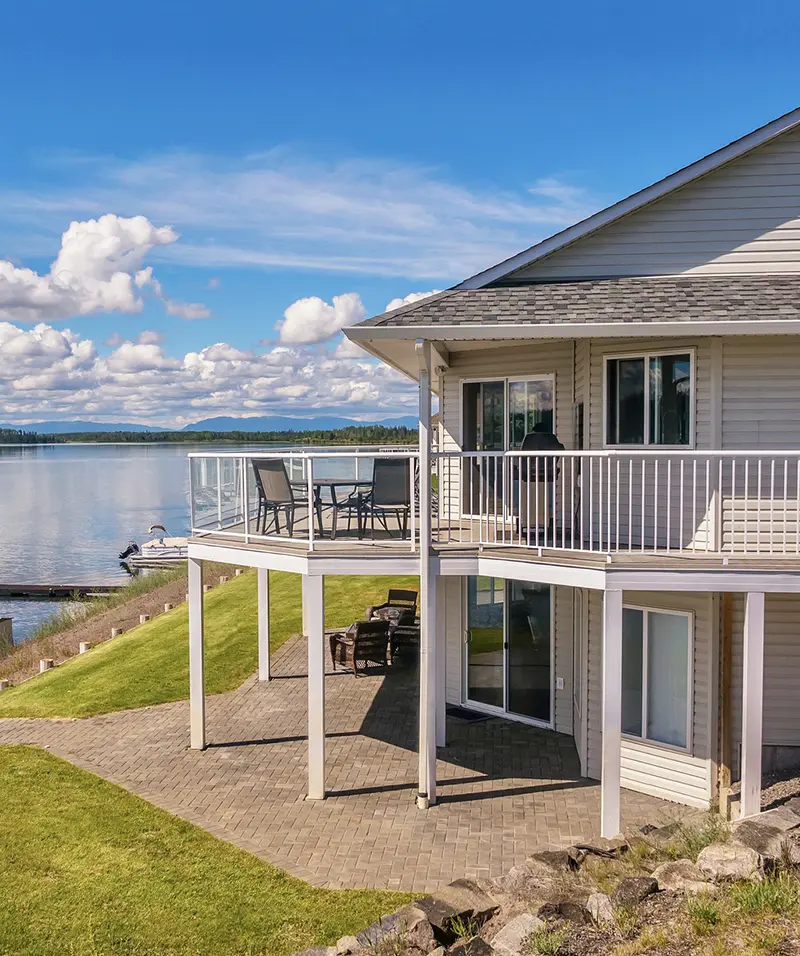
WATERFRONT HOME SELLERS
Selling a Waterfront Property? Prepare for Different Questions.
A lake or river home offers something buyers can’t find in every property. It can also bring questions that don’t typically come up when selling a traditional neighborhood home.
Buyers considering waterfront properties may want to know about:
- Shoreline condition
- Seawalls or retaining structures
- Water and shoreline access
- Docks and boat lifts
- Flood zones and insurance considerations
- Water, sewer, or septic arrangements
- Property-specific shoreline requirements
If you’re selling around Lake Freeman, Lake Shafer, the Tippecanoe River, or another North Central Indiana waterway, gathering the right information before listing makes it easier to answer buyers’ questions.
Brandi Shaw lives on the Tippecanoe River and knows waterfront living firsthand. We’ll help you highlight the features and details that matter most to waterfront buyers and show what makes your property unique.
SELLING & BUYING AT THE SAME TIME
What If You Need to Sell Before You Buy?
Many homeowners aren’t just selling; they’re also moving to a new home at the same time.
That can bring up some additional questions:
Should you sell first or buy first? How will the timing of each transaction work? What happens if your home sells before you find the next one? What if you find the right property before your current home is under contract?
No single strategy works for every homeowner.
Your finances, local market conditions, timeline, risk tolerance, and housing options between transactions can all influence the best approach.
If you need to sell and buy at the same time, let us know. We can help you plan the timing for both moves and create a strategy that fits your situation.
SELLER QUESTIONS
Want to Dig Deeper?
Every home and sale is different, and you might have questions that aren’t answered in a step-by-step guide.
Our Selling FAQs provide clear answers about pricing, getting your home ready, showings, offers, inspections, waterfront properties, closing, and other common seller questions.
HOMES FOR HEROES
Selling Your Home as a Local Hero?
If you’re a teacher, healthcare worker, military member or veteran, firefighter, EMT, paramedic, or law enforcement professional, you may qualify for benefits through Homes for Heroes when selling your home.
Brandi Shaw is a proud Homes for Heroes real estate agent in Indiana and helps eligible sellers learn about the program and how it can fit into their next move.
If you’re selling and buying another home, we can also help you see how Homes for Heroes might apply to your whole real estate journey.
READY TO SELL?
Ready to Start Your Home Search?
Knowing the process is a great first step. Having a local real estate agent who understands your property, your market, and your goals can help you put that knowledge to work.
Whether you’re selling your first home, getting a waterfront property ready, selling and buying at the same time, or hoping to use Homes for Heroes, Indiana Realty Group is ready to help.
Speak with Brandi Shaw and The Shaw Team today about your home, your goals, and what comes next.