
HOME BUYING GUIDE
Your Guide to Buying a Home
in North Central Indiana
Buying a home is exciting because it’s likely one of the biggest decisions you’ll make. There’s a lot to think about between deciding to buy and finally getting your keys.
FIRST-TIME HOMEBUYERS
Buying Your First Home?
- Local Support
- First-Time Buyer Support
- Waterfront Expertise
Whether you’re a soon-to-be first-time homeowner searching for your first place in Lafayette, looking near Purdue University in West Lafayette, considering small-town life in Brookston or Delphi, or dreaming of a waterfront property near Monticello, this guide will help you understand what to expect, how to prepare, and which questions to ask along the way.
And when you’re ready for personal guidance, a local Indiana Realty Group agent can help you take these steps. They know the communities, properties, and unique aspects of buying a home in North Central Indiana.
Buying your first home means a lot of other “firsts”: your first pre-approval, first serious home search, first offer, first inspection, and finally, your first closing. No one expects you to know how everything works right away. Indiana Realty Group helps first-time buyers understand each stage, what decisions to make, and which questions to ask. Instead of learning everything at once, you can take it step-by-step with a real estate agent to guide you.
A good place to start is by understanding your budget, deciding what you need in a home, and beginning to explore what’s available.
Before You Start Looking
Step 1: Know What You’re Looking For
Before you start looking at listings or setting up showings, take some time to think about what you really need in your next home.
Start with the basics:
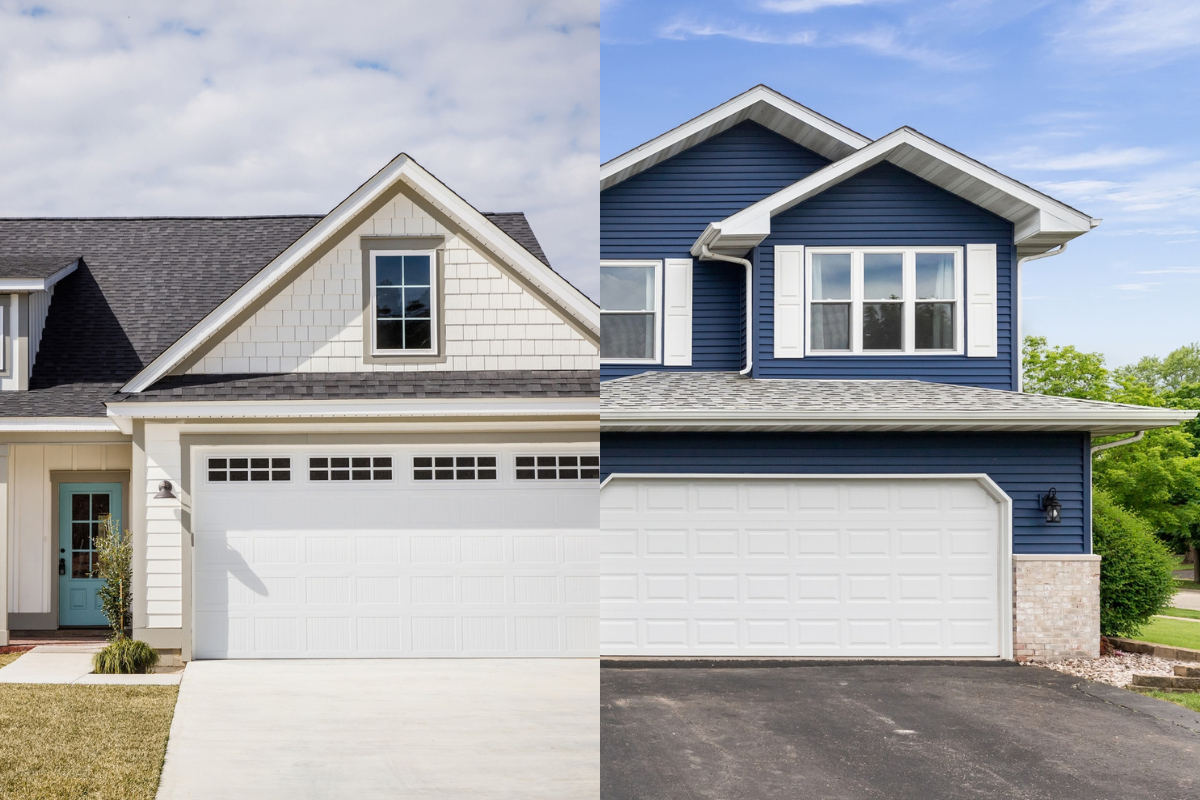
Where do you want to live?
Consider which communities fit your job, family, commute, schools, lifestyle, and future plans.
You might want to stay near Indianapolis or Greater Lafayette, choose a smaller town like Brookston or Delphi, or explore lakes, rivers, and rural areas in White, Carroll, and Tippecanoe Counties.
What type of property fits your lifestyle?
A traditional neighborhood home, condo, rural property, acreage, or waterfront home each offers a different experience, and each comes with its own unique responsibilities.
What are your must-haves?
Decide which features you really need and which would just be nice to have. Things like number of bedrooms and bathrooms, yard space, garage size, accessibility, and location can help you narrow your search.
How long do you expect to stay?
Thinking beyond your immediate needs can help you choose a home that keeps working for you as your life changes.
For first-time homebuyers, setting your priorities early can make the market feel less overwhelming and easier to manage.
Prepare Your Finances
Step 2: Understand Your Budget & Get Pre-Approved
Knowing how much you’re comfortable spending is one of the most important steps you can take before you start seriously looking for a home.
If you plan to get a mortgage, talk to a lender about pre-approval before making any offers. They can explain your financing options, the price range you qualify for, and the extra costs to expect beyond the purchase price.
Keep in mind that your home-buying budget covers more than just the down payment and monthly mortgage. You’ll also need to plan for closing costs, property taxes, insurance, moving expenses, maintenance, and repairs.
Protect Your Finances While You're Buying
After you start the mortgage process, don’t make big financial changes without checking with your lender first.
That can include:
- Taking on significant new debt
- Financing a vehicle, furniture, or another large purchase
- Opening or closing credit accounts
- Making large or unexplained transfers between accounts
- Changing employment
- Spending money you’ve set aside for closing or emergencies
Everyone’s financial situation is different, so ask your lender for input before making decisions that could affect your mortgage approval.
Looking at Homes
Step 3: Finding the Right Home
Once you know your priorities and have a clearer understanding of your budget, it’s time to see what’s available.
Search homes throughout North Central Indiana, from Indianapolis to Greater Lafayette to Brookston, Delphi, Monticello, and the surrounding communities in Tippecanoe, White, Hamilton, and Carroll Counties. Narrow your search by location, price, property type, and the features that matter most to you.
While you browse listings, remember that photos and descriptions tell only part of the story. A local real estate agent can help you compare properties, understand the surrounding area, identify questions worth asking, and arrange showings for the homes that deserve a closer look.


TOURING HOMES
Step 4: Look Beyond the Listing Photos
When you tour a home, it’s easy to focus on finishes, furniture, and first impressions. Try to look past what photos and staging show you.
Pay attention to the home’s overall condition and layout. Imagine how the rooms would fit your daily life. Look at storage, natural light, the outside condition, parking, outdoor space, and other features that might matter more once you move in.
Don’t forget the location, either.
Consider walking around the neighborhood, think about your commute, and consider the places you’ll visit often. If you’re interested in a property, visit the area at different times to get a better sense of what living there is really like.
MAKING AN OFFER
Step 5: You Found a Home. What Happens Next?
Finding a home you love is exciting. Figuring out what to offer takes some strategy.
Your real estate agent can help you review the property, discuss comparable market activity, understand the terms of the purchase agreement, and decide how you want to structure your offer.
Price matters, but it’s only one part of your offer.
Depending on the transaction, you may also need to consider financing, earnest money, inspections, requested contingencies, closing timing, and other terms.
After you submit your offer, the seller can accept, reject, or make a counteroffer. Your agent will explain your options and negotiate for you as things move forward.

INSPECTIONS & DUE DILIGENCE
Step 6: Take a Closer Look Before You Buy
Getting your offer accepted is a big step, but there’s still work to do before closing.
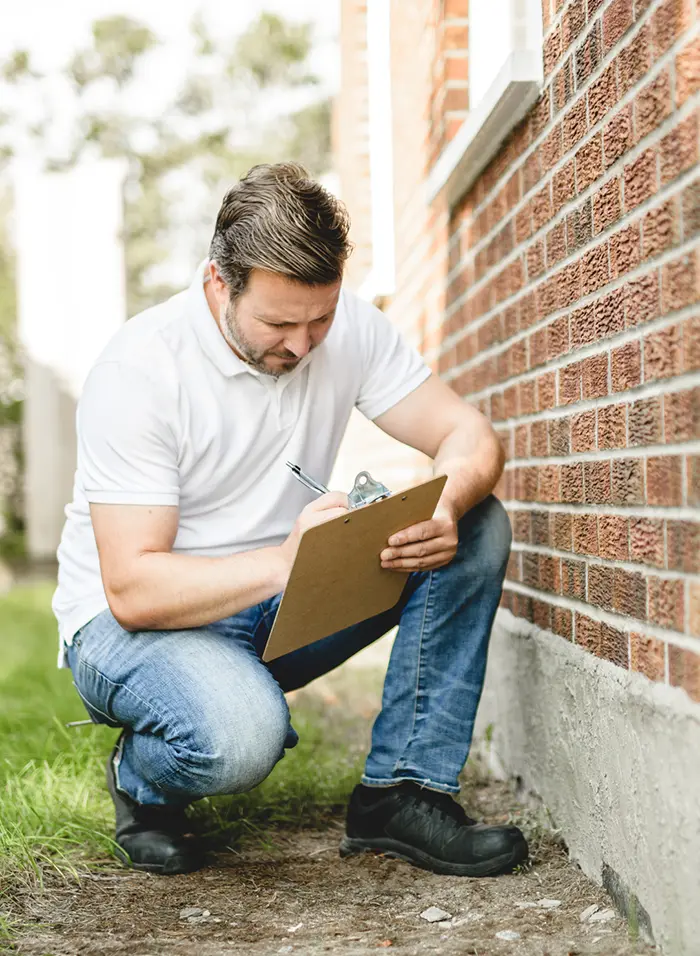
A professional home inspection helps you understand the property’s condition and spot issues you might not have noticed during your visit.
The right due diligence depends on the type of home you’re buying. Traditional homes, condos, rural acreage, older properties, and waterfront homes all come with their own questions.
Your real estate agent can help you track deadlines and figure out which inspections, documents, and property details need attention during this stage.
WATERFRONT HOMEBUYING
Buying a Waterfront Property? Look Beyond the View.
North Central Indiana offers plenty of opportunities to live near the water, including homes around Lake Freeman, Lake Shafer, the Tippecanoe River, and other lakes and waterways throughout the region.
But waterfront properties have some unique factors you won’t find with typical home purchases. Before buying, you may need to look into details like:
Shoreline Stability
Look at the existing seawalls, retaining structures, erosion, bulkheads, and shoreline for erosion, deterioration, or movement. Any needed maintenance can affect both the property and future costs.
Water & Riparian Rights
Understand the property’s specific rights for water access and use, including what’s permitted for docks and shoreline improvements.
Flood Risk
Understand whether the property is located within a flood zone and what that could mean for insurance, financing, and future improvements.
Water Quality
Are the water conditions appropriate for swimming, fishing, boating, or however else you plan to use the property?
Docks & Local Regulations
Research what requirements apply to existing or future docks, boat lifts, seawalls, and other shoreline improvements.
Utilities
Understand the property’s water, sewer, septic, and utility requirements.
Because Brandi Shaw has lived along the Tippecanoe River, she can offer extra insight when you’re looking at Indiana waterfront properties. The Shaw team will help you determine the right questions to ask, understand certain property details need a closer look, and what to check before you make the water your backyard.


CLOSING
Step 7: Getting From an Accepted Offer to Closing Day
After inspections and other contingencies are completed, your purchase moves toward closing.
At this stage, your lender, real estate agent, title or closing professionals, and any other parties involved in the transaction will work through the remaining requirements.
Before closing, you’ll usually do a final walkthrough of the property. This lets you confirm its condition before you officially become the owner.
Your real estate agent will help you keep track of what’s next so you’re ready when closing day comes.
Then comes the part you’ve been waiting for: getting the keys.
AFTER CLOSING
Your First Days as a Homeowner
Closing day isn’t quite the end of your home-buying checklist.
After the home is officially yours, take some time to get to know the property and take care of a few important basics:
- Change or re-key exterior door locks.
- Update any garage door or keypad codes.
- Test smoke and carbon monoxide alarms.
- Locate your main water shutoff, electrical panel, and other important utility controls.
- Transfer or establish utilities as needed.
- Keep your closing and property documents in a safe place
- Begin a basic home maintenance schedule.
For first-time homeowners, these small steps can make the move from buyer to owner feel easier.

HOMES FOR HEROES
Helping Our Community’s Heroes Find Home
If you’re a teacher, healthcare worker, military member, veteran, firefighter, EMT, paramedic, or law enforcement officer, you may have an extra opportunity when buying a home.
Brandi Shaw is a proud Homes for Heroes real estate agent in Indiana, helping eligible local heroes learn about savings available through the Homes for Heroes program when buying or selling a home.
We’ll help you determine whether you qualify and how the program can fit into your home-buying journey.
READY FOR THE NEXT STEP?
Put Your Home-Buying Plan Into Action
A guide can help you understand the process, but the right real estate agent can help you navigate it.
Whether you’re a first-time homebuyer, looking for waterfront properties, interested in Homes for Heroes, or just ready for a place that fits your life better, Indiana Realty Group is here to help.
Speak with Brandi Shaw and The Shaw Team about what you want, where you’d like to live, and your next steps.